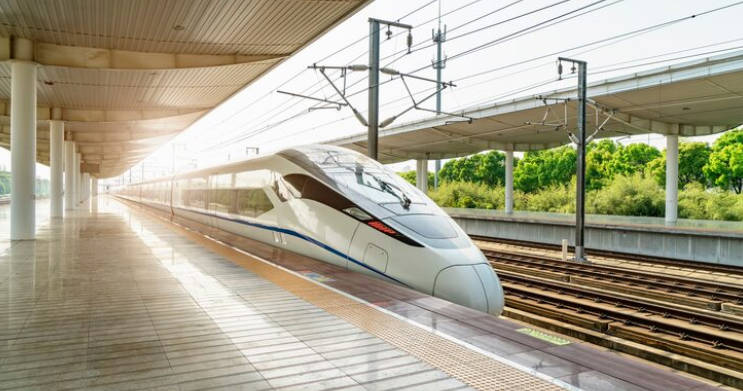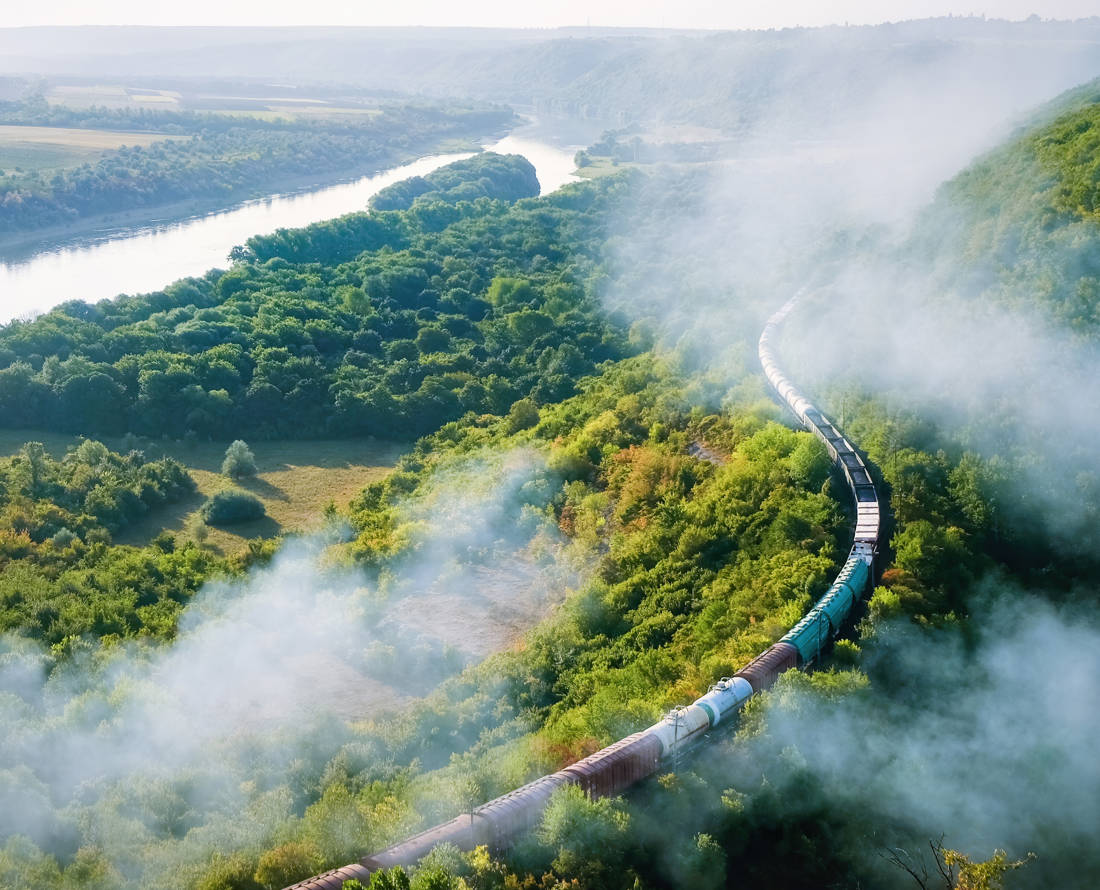
By the end of 2025, China's railway operating mileage exceeded 160,000 km, with high-speed rail surpassing 48,000 km, covering 95% of cities nationwide with urban populations exceeding 500,000. Urban rail transit now operates over 330 lines with total mileage exceeding 12,000 km, firmly ranking first in the world.
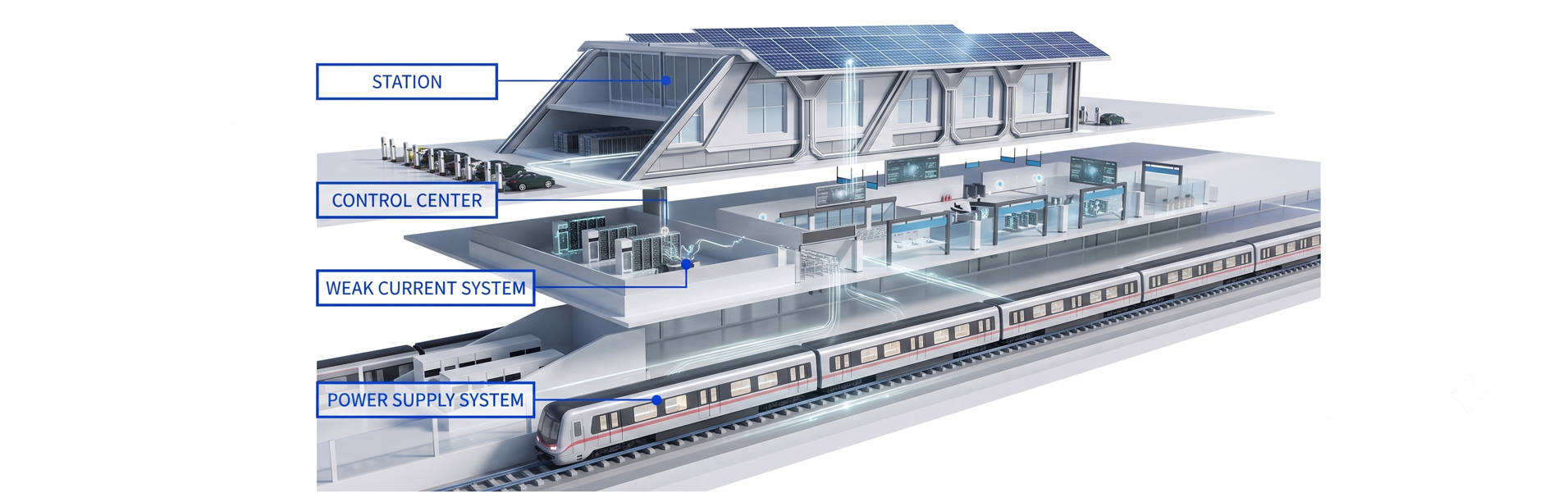
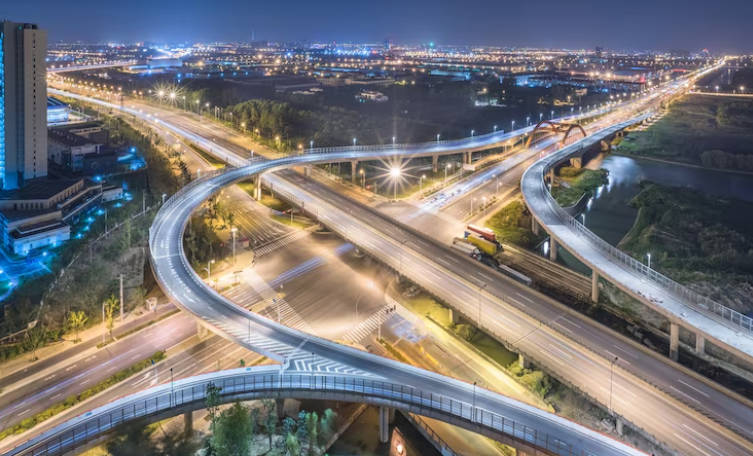
Digital and intelligent upgrades in the transportation sector are now deeply underway across all scenarios: new metro lines universally adopt fully automatic operation systems (FAO), smart highways are rolling out vehicle-road coordination and autonomous driving tests at scale, and major aviation hubs are introducing AI-based scheduling and paperless customs clearance. These transformations impose unprecedented demands on underlying power assurance systems — from microsecond-level uninterrupted switching to all-weather stable operation in harsh environments including high humidity, high temperature, salt spray, and strong vibration.
Industry forecasts project that by 2027, the digitalization rate of transportation infrastructure will exceed 70%, with the smart transportation market expected to surpass one trillion yuan. Power systems are evolving from their traditional role as backup protection into core nodes of transportation energy management.