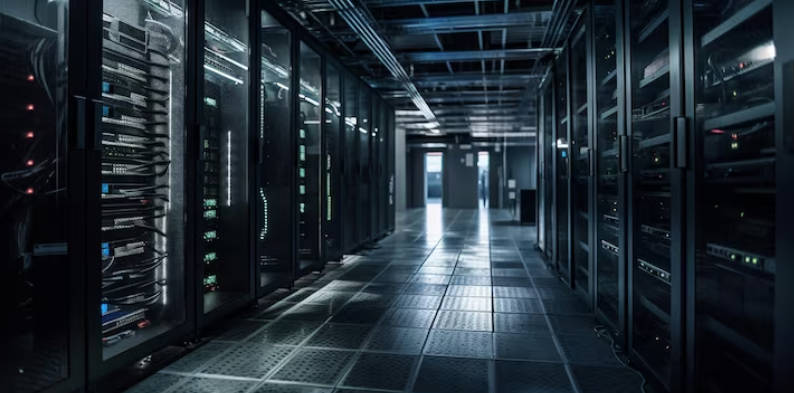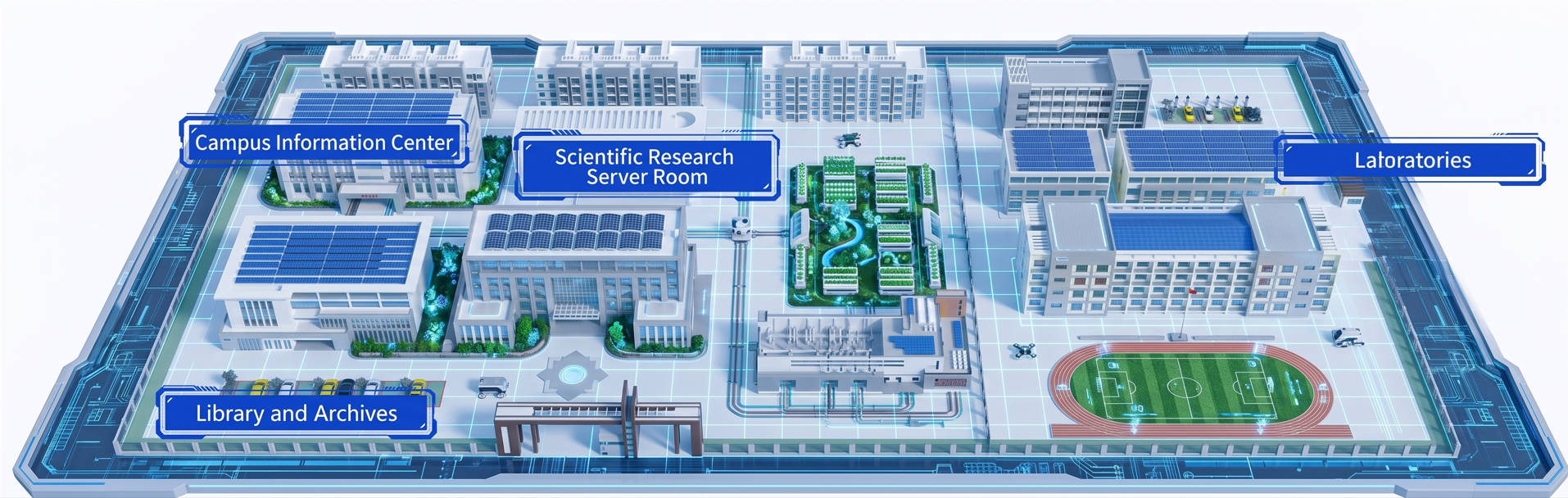
The integration of information technology with education and teaching is entering deep waters as cutting-edge technologies including artificial intelligence, virtual reality, and edge computing accelerate their deployment in educational settings. New teaching models such as interactive classrooms, remote experiments, and intelligent assessment emerge continuously, imposing higher standards on underlying information infrastructure. Teaching terminal devices grow increasingly sophisticated, data center loads continue to climb, and stable power supply has become a core element in ensuring normal teaching order. From kindergartens to graduate schools, digital equipment demands for power quality have reached unprecedented levels.
According to authoritative education industry statistics, national education informatization funding has cumulatively surpassed 800 billion yuan over the past three years, with smart education infrastructure investment projected to exceed 300 billion yuan by 2028, opening vast growth opportunities in the power assurance sector.